Not all jokes travel, but some British ones have more stamps in their passports than you might expect. If American cinemagoers had not been quite so delighted by the moment in Carry On Nurse when Hattie Jacques discovers Wilfrid Hyde-White, prone on the hospital linen with a daffodil inserted into his anus, then the Carry Ons might not have made it to the Wilson years. (This kind of gag just didn’t feature in Doris Day pictures.)
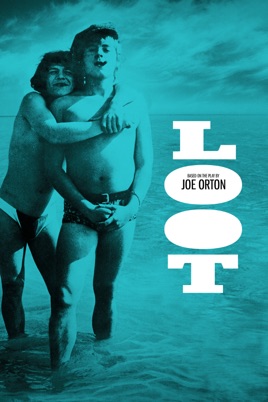
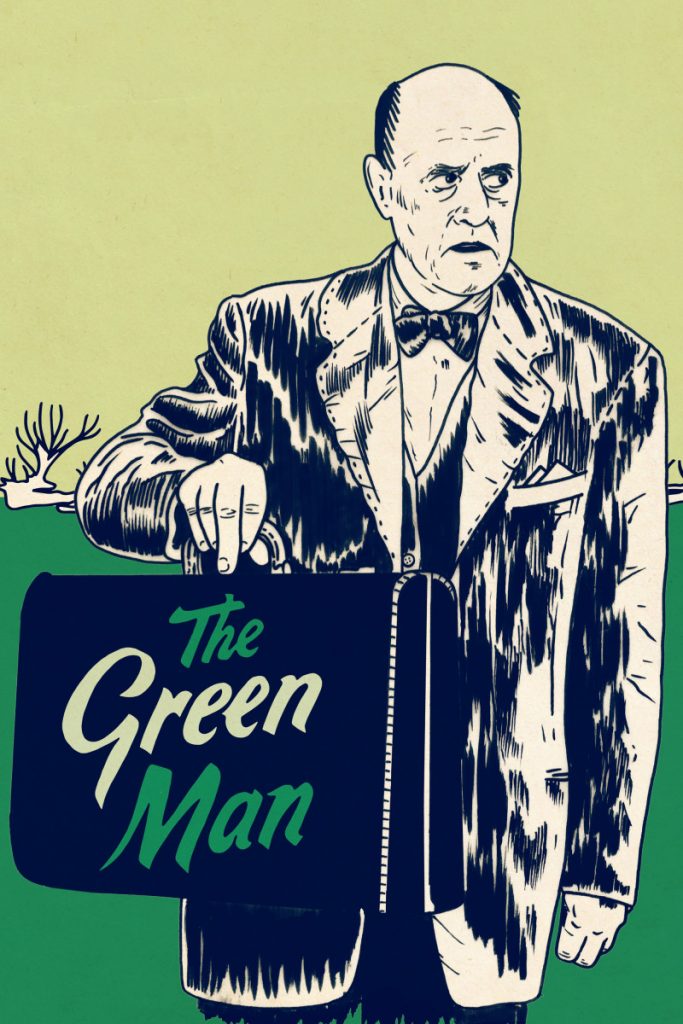
Can we generalise about British humour from this sample? As well as the glorious frequency of Alastair Sim, there’s a distinct morbid streak. The Green Man is a farce about an assassin (Sim) who courts the secretary of his intended victim, whom he plans to kill with a bomb hidden inside a radio. In Loot, the perverse anti-hero conceals the spoils of a bank job in mother’s coffin, then hides her corpse in the family home. (Mrs McLeavy’s death is treated as a trivial event: one paying guest in her boarding house is disappointed that she failed to supply her usual steak and kidney pudding before breathing her last.)
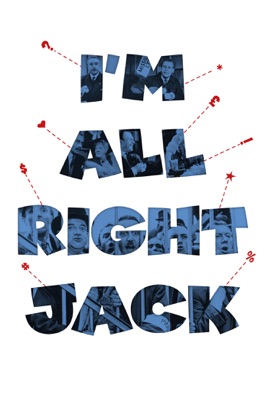
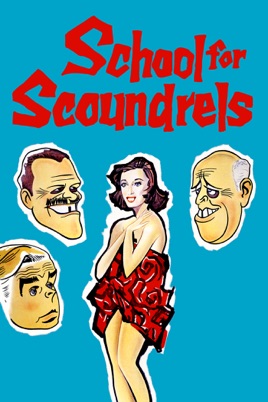
That tone seems related to the cheerful cynicism of School for Scoundrels, in which the course leader (Sim again), instructs his male pupils in how to cheat at tennis, seduce women and get one over on a second-hand car salesman. It also has much in common with the bitter industrial satire of I’m Alright Jack, in which the union bosses are as corrupt and incompetent as the management. The Happiest Days of Your Life is gentler, but also concludes that British institutions – in this case the school system – are chaotically unfit for purpose. It ends with the headmaster (Alastair Sim, naturally) proposing to invest in the Tanganyikan groundnut scheme – a notorious governmental disaster of the period.
On the set of the Mr Bean movie, Richard Curtis kept asking himself – “Will they get it in Egypt?” The canon of comedy classics suggests that cultural specificity has a longer shelf life. As Raymond Huntley’s character in The Green Man reflects, when offered the unusual dinner of chopped toad: “We really are the most extraordinary nation.”