Movies recreate history, then become part of the past. As well as passion, pleasure and plot, vintage period dramas now provide us with a way of tracking the relationship between the twentieth century and its predecessors. Some give us history as a horror show we should congratulate ourselves for having escaped; others find emotional intensity that the modern age forgot.
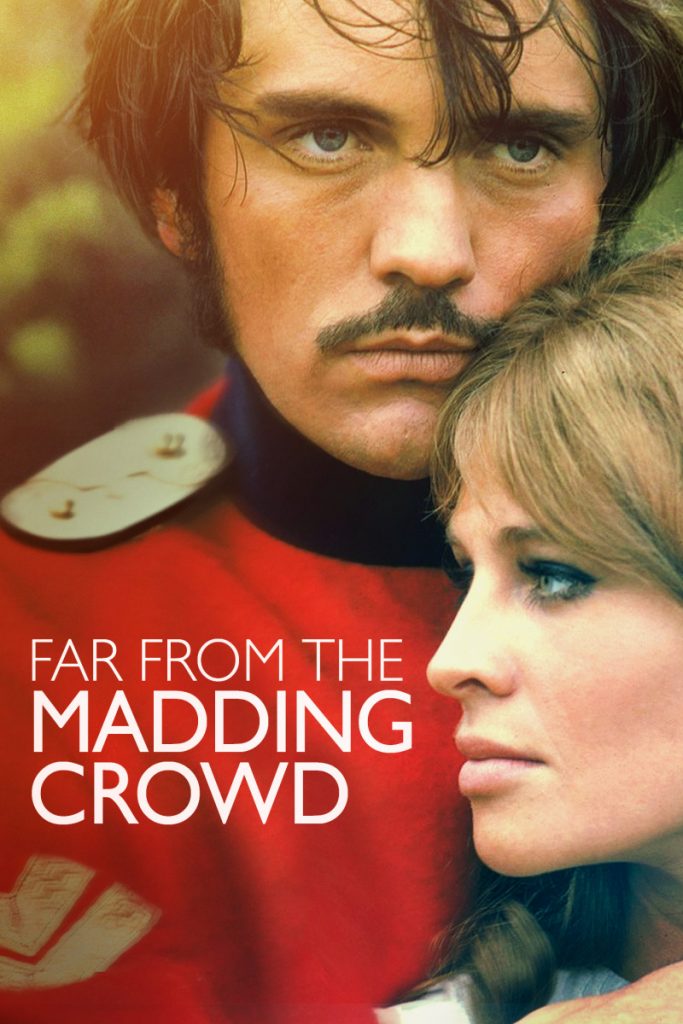
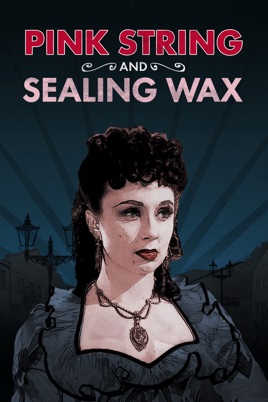
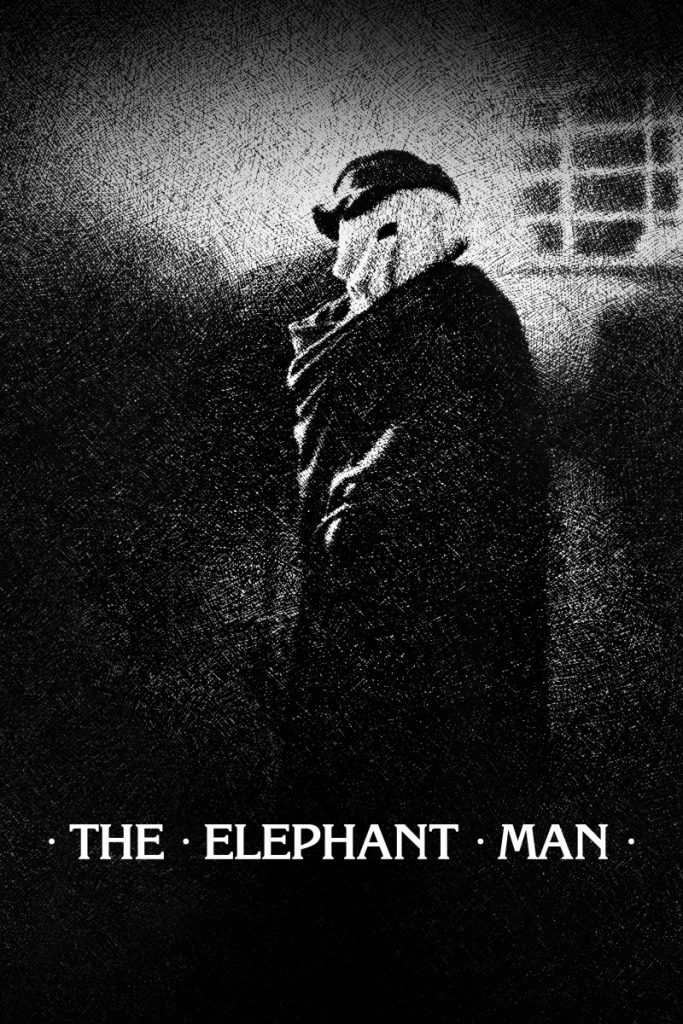
Pink String and Sealing Wax is, like many neo-Victorian melodramas, an exposure of middle-class hypocrisy. (Googie Withers is flinty and magnificent as an adulterous barmaid with a penchant for strychnine.) The Elephant Man is the most perfect expression of this impulse: David Lynch’s monochrome picture offers us its hero, John Merrick, as a saint wandering through the brutal, fallen world of Victorian London. (It even invents a drunken, evil showman, because his real-life equivalent was not nearly so nasty.) Some nineteenth-century subjects reject this formula: the romance between Terence Stamp’s Sergeant Troy and Julie Christie’s Bathsheba Everdene in Far from the Madding Crowd stirred so many hearts in the 1960s that it was referenced in the Kinks’ song Waterloo Sunset.
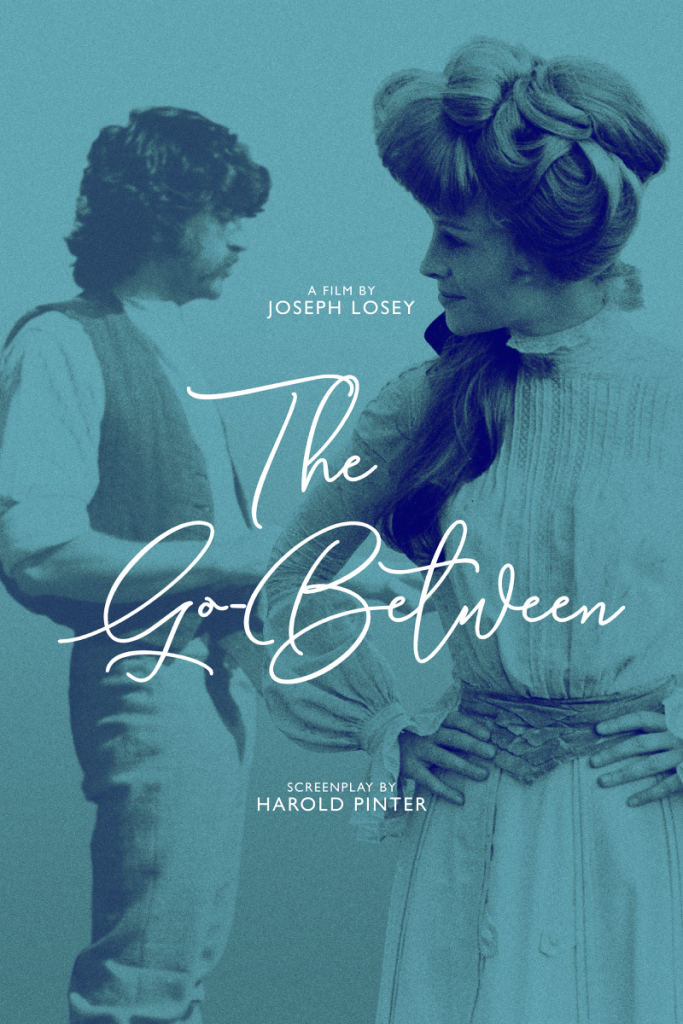
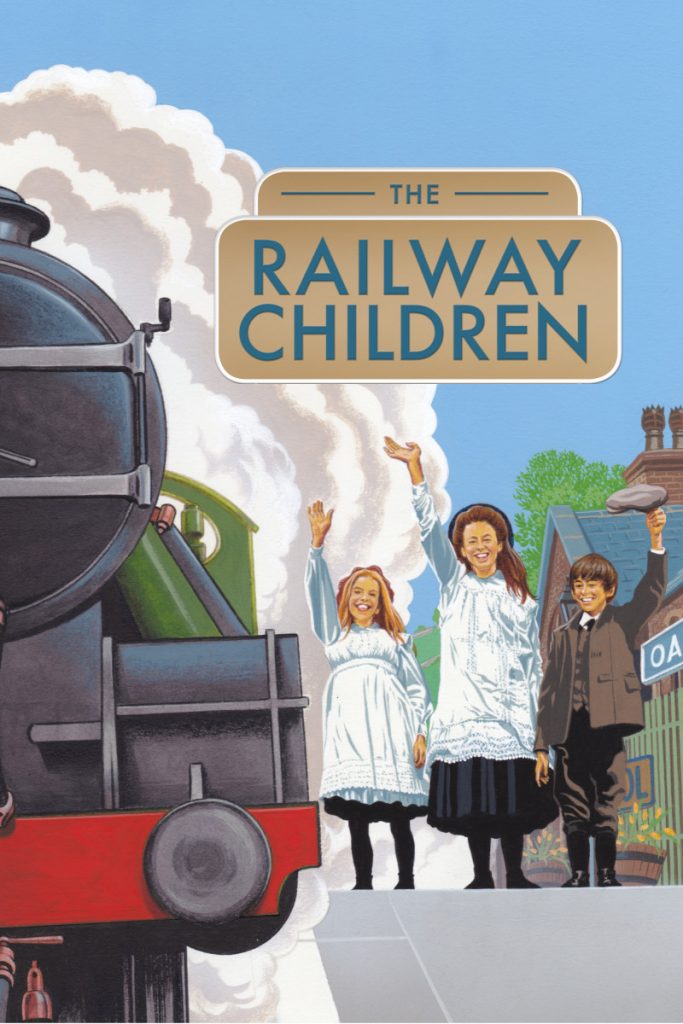
Edwardian-set subjects come with more sunlight. The events of The Go-Between take place in a burnished world, though we’re left in no doubt about the careless use to which its young hero is put by the lovers who employ him to carry their letters. The Railway Children exiles its young protagonists to the countryside – and then returns their lost father to them in a cloud of steam and tears. The bare emotion of Jenny Agutter’s Bobbie, running down the platform and declaring “daddy, daddy, oh my daddy!” would not have been tolerated in a modern setting.