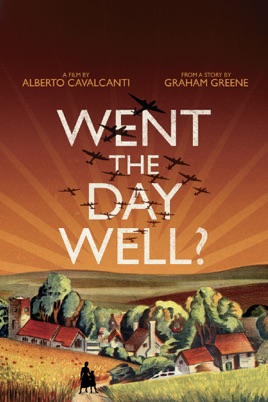
The war film. What is it good for? Easy. Creating spectacle, tapping into our fears and fantasies, and processing the experience of conflict – not necessarily by telling the truth.
War pictures made during the Second World War often depicted Britons of all classes banding together against a common enemy. In the post-war period, the tone changed, as veterans began to publish their memoirs and personal stories could be told. The Home Front almost vanished as a subject, and in came accounts of individual acts of courage and specific military operations – many of which had been too secret to discuss during the conflict.
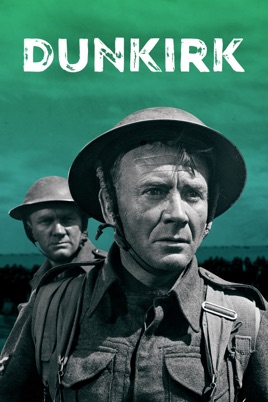
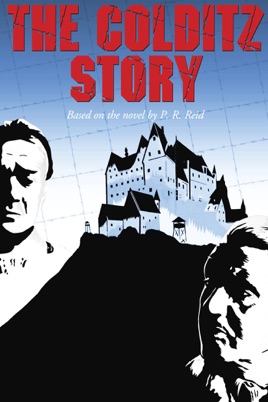
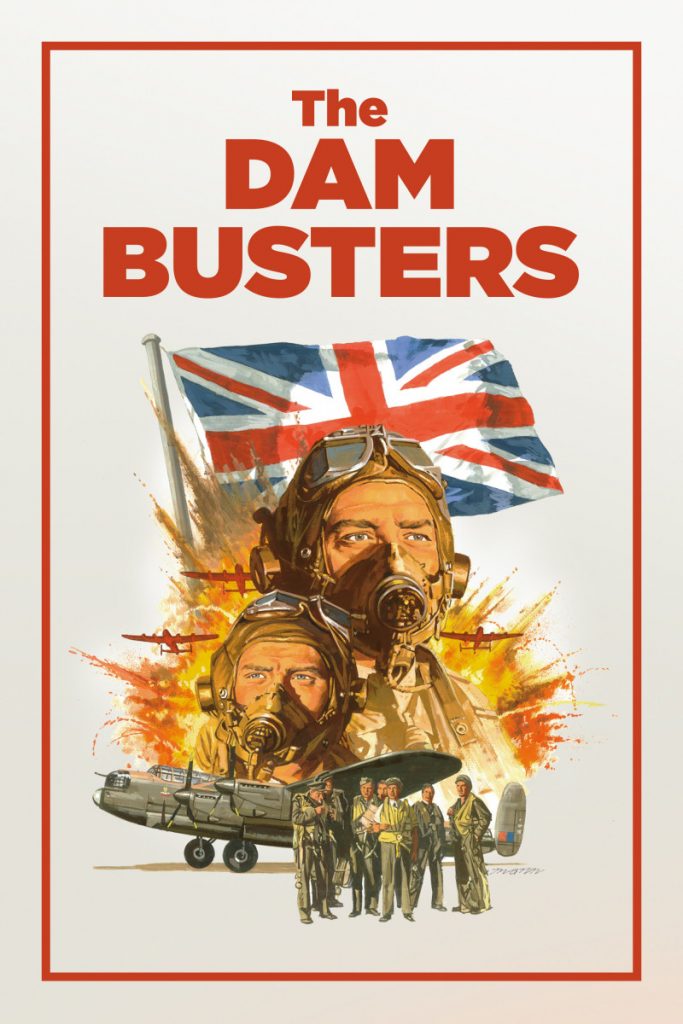
Angels One Five took audiences into the RAF operations room, fixing that image of women in uniform using croupier sticks to push little aeroplanes across a map of Europe. The Dam Busters relayed the agonies of the development and use of Barnes Wallis’s revolutionary bouncing bomb – though military censors decreed that the weapon itself should be blotted out with a little black dot. Ealing’s Dunkirk attempted to do for the withdrawal from France what Eisenstein had done for the October Revolution – to create a film that could actually stand for the event itself. The Colditz Story took its cue from Major Patrick Reid’s surprisingly larky POW autobiography, and is a black comedy about making Nazi badges out of soap and distracting the guards by putting on kilts and singing “My Heart Belongs to Colditz”.
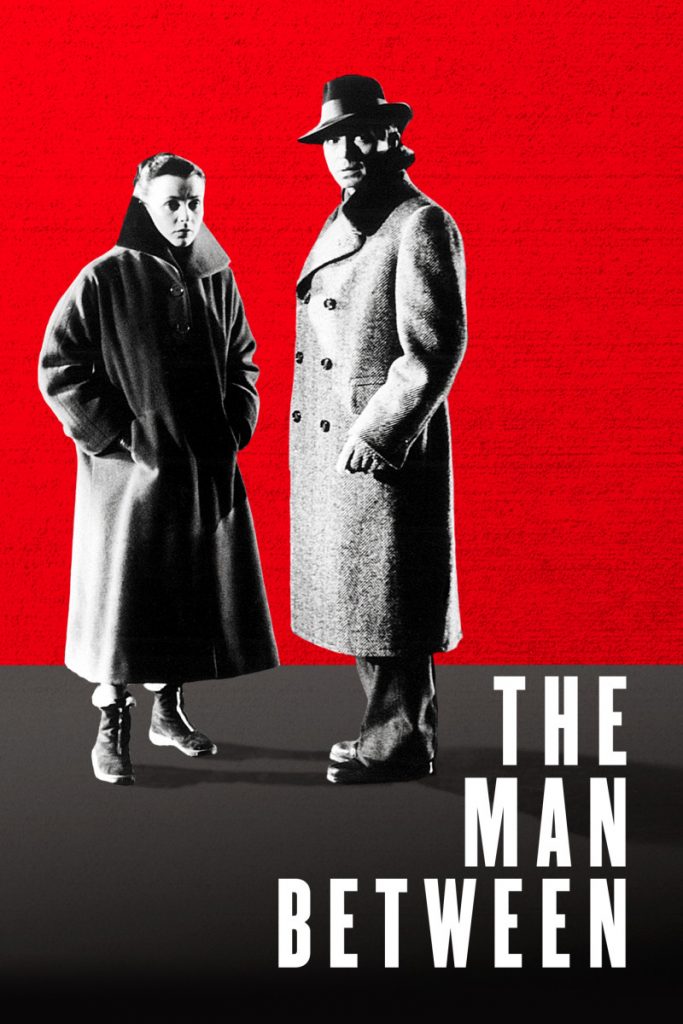
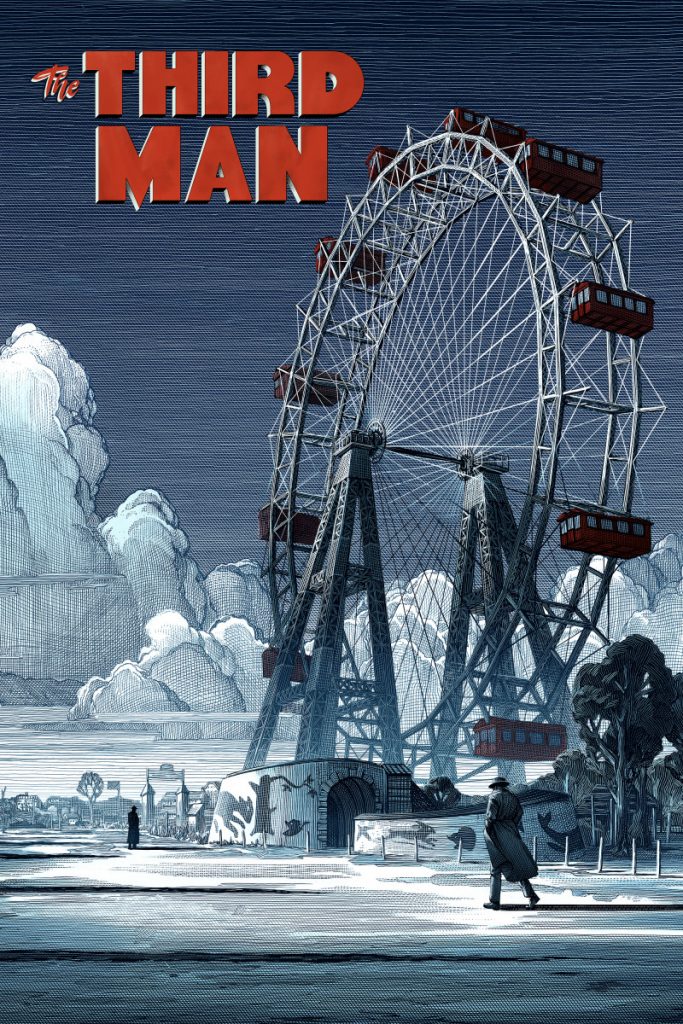
And while these films were being shot, another war was being prosecuted. As cinema retold stories of British victories – moral and military – Carol Reed went to Austria to make a movie about the limits of that triumph. These are the two sides of the story. On one, John Mills in Ice Cold in Alex, sinking a pint of Carlsberg in a bar in Alexandria; on the other, Orson Welles, running through sewers in defeated Vienna.